

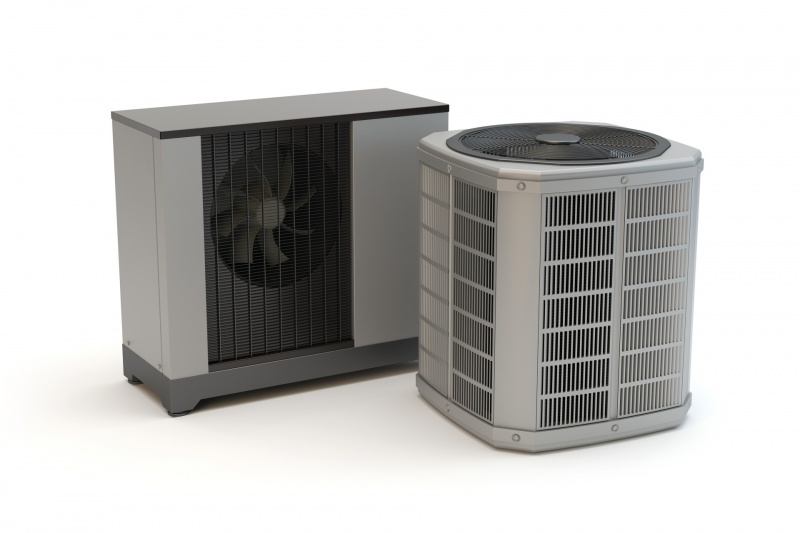
If you’re still using an old, outdated heat pump, you could be spending far more on energy bills than necessary. Upgrading to a new, energy-efficient heat pump isn’t just about comfort—it’s about cost savings. Today’s advanced heat pump technology can significantly lower your heating and cooling expenses while also improving home efficiency. Let’s explore the top five ways a heat pump replacement in Shelton, WA will save you money.
1. Lower Energy Consumption
One of the biggest advantages of upgrading to a new heat pump is the reduction in energy consumption. Older heat pumps tend to lose efficiency over time, meaning they require more energy to heat and cool your home. Modern heat pumps are designed with cutting-edge technology, such as variable-speed compressors and enhanced coil designs, which allow them to use less electricity while providing consistent comfort. Energy efficiency also depends on matching the system’s heating capacity to the home. A certified HVAC contractor should review square footage and perform load calculations so the unit is sized correctly, since improper sizing increases energy use.
According to the Department of Energy, a high-efficiency heat pump can reduce electricity use for heating by up to 50% compared to older electric resistance heating systems, with the best performance in moderate climates where many systems operate at 300% to 400% efficiency by extracting heat from outdoor air, though they may lose efficiency below 20°F. For heating performance, check efficiency ratings such as HSPF2, since a heat pump’s HSPF2 rating measures its heating efficiency, and seasonal performance factor.
2. Reduced Repair and Maintenance Costs
An existing heat pump that is nearing the end of its expected service life often requires frequent repairs, and maintenance costs can quickly add up. Components wear out, refrigerant leaks become common, and efficiency declines with age. A new heat pump not only eliminates these costly repairs but also comes with warranties that cover major components for several years. A well maintained heat pump typically lasts about 15 years, and heat pumps generally last between 10 to 15 years overall. Installation quality significantly affects reliability and lifespan, and reporting often finds significant defects in 70 to 90 percent of installs when work is done poorly. This means you’ll spend less on unexpected service calls and replacement parts, keeping more money in your pocket. To protect performance and warranty coverage, hire licensed local HVAC companies or another properly licensed HVAC contractor for a new heat pump system, since professional installation ensures peak efficiency.
3. Lower Utility Bills Year-Round
Since heat pumps provide both heating and cooling, upgrading to a new, high-efficiency model with the right cooling capacity and heating output can lower winter heating and summer costs, whether it connects to existing ductwork as a whole-home cooling system or replaces older equipment. Many modern heat pumps come with advanced inverter technology, allowing them to adjust their output based on demand. A heat pump’s efficiency ratings include SEER2, which indicates cooling efficiency and helps compare performance with a traditional central air or air conditioner setup. This prevents unnecessary energy waste and ensures optimal efficiency. Homeowners who switch to a high-efficiency heat pump can see monthly utility bills drop by 20–40%, depending on their previous system’s efficiency. They can also reduce CO2 emissions by about 40% compared to a gas furnace, and in some climates and fuel-price conditions, households such as those in Michigan may save about $1,500 per year.
4. Incentives, Rebates, and Tax Credits
Governments and utility companies often offer incentives for upgrading to energy-efficient heating and cooling systems. When you install a new heat pump, heat pump cost and installation costs vary widely by home and system type. Programs such as the Inflation Reduction Act of 2022 provide substantial rebates for heat pump installations, making the switch even more financially attractive. The Inflation Reduction Act can provide rebates for heat pumps up to $8,000 based on income, and U.S. households can receive a federal tax credit up to $2,000; these federal tax credits for heat pumps were reinstated in 2023. For example, Massachusetts offers a rebate up to $8,500 for heat pumps, and the Energize Thurston program offers discounts for heat pumps. These incentives can significantly lower the upfront cost, accelerating your return on investment.
When comparing options, look for Energy Star equipment and ask how standard systems, ducted systems, air source heat pumps, and heat pump replacement cost ranges compare, since installation costs usually run $12,000 to $22,000, whole-home ducted systems often range from $9,000 to $24,000, and a typical replacement can run $6,000 to $25,000. Ground source heat pumps and a geothermal heat pump can cost more upfront because they use stable underground temperatures for efficiency. Ground-source systems pull heat from stable underground temperatures. A water-source heat pump extracts heat from a body of water, which can also affect installation planning and cost. An exhaust air heat pump requires mechanical ventilation to operate. A new heat pump system may cost more in older homes if electrical panels need upgrades or existing ductwork requires modifications.
5. Increased Home Value and Marketability
A new heat pump isn’t just about immediate savings—it’s also an investment in your home’s value. Energy-efficient homes are highly desirable in today’s real estate market, and buyers often value systems that also provide air conditioning and better humidity control. A newly installed heat pump can be a strong selling point, especially for homeowners who want comfort, efficiency, and quiet operation. A matched split system with a new outdoor unit and air handler can also improve energy savings and buyer confidence. In colder areas, a dual fuel system can appeal to buyers because it pairs an electric heat pump with backup heat from natural gas. In extreme cold, some systems rely on heat strips or electric heat strips for supplemental heat. Potential buyers are often willing to pay a premium for homes with modern, cost-saving HVAC systems. Even if you don’t plan to sell your home soon, upgrading your heat pump enhances comfort, reduces long-term costs, and adds lasting value to your property.
Replacing an old heat pump with a new, energy-efficient model is a smart financial move. From cutting energy costs to reducing repairs, taking advantage of rebates, and increasing home value, a modern heat pump offers multiple ways to save money. If you’re considering an upgrade, now is the perfect time to invest in a more efficient, cost-effective heating and cooling solution with lower power consumption that will pay off for years to come.
Your comfort is our business at Americool Heating & Air Conditioning! Contact us today for expert heat pump installation in Centralia, WA.